
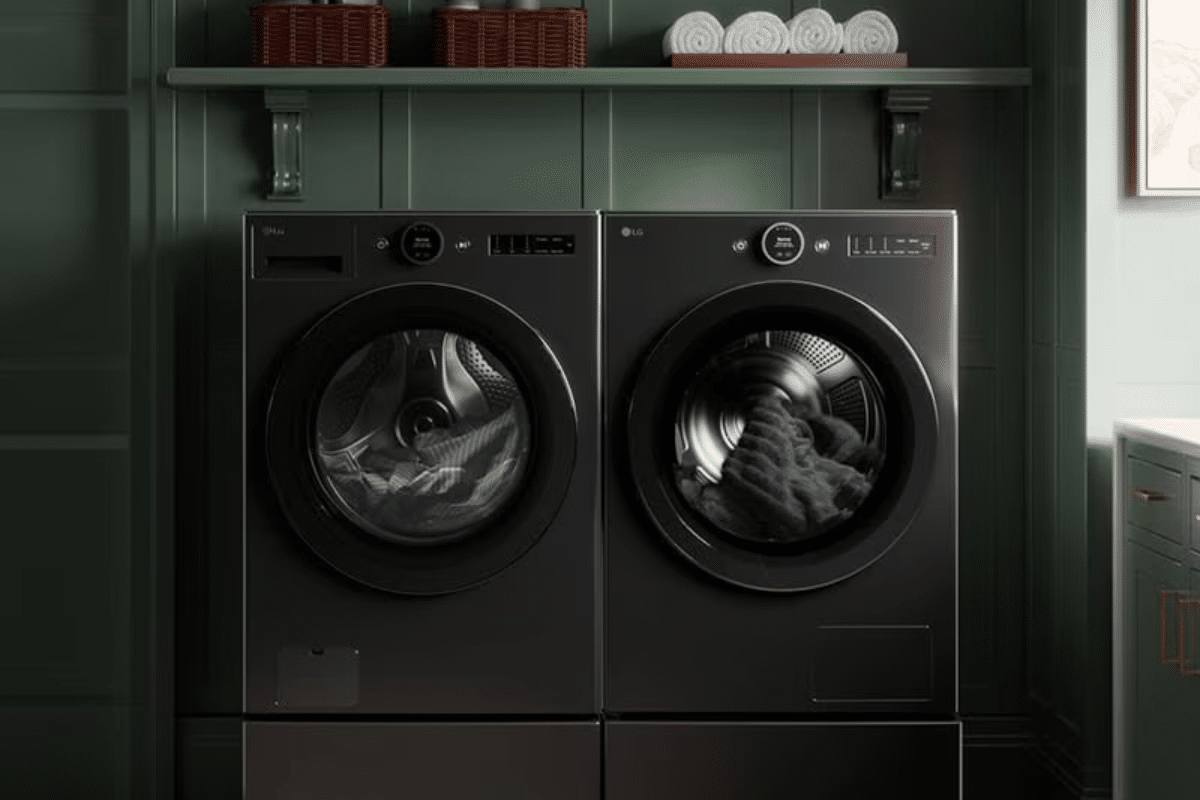
If your LG dryer is loud during a cycle, you're probably wondering if it's something serious—or if it's something you can fix yourself. Strange noises like thumping, squeaking, grinding, or rattling aren’t just annoying; they often signal an underlying issue.
The good news? Many of the reasons your LG dryer is making noise are common, and some are surprisingly easy to diagnose and fix. Whether it's user-related, a sign of poor maintenance, or a mechanical problem, this guide breaks down all the possible causes of a noisy LG dryer.
Why Your LG Dryer Is Loud During the Dry Cycle
If you've been asking yourself, "Why is my LG dryer so loud all of a sudden?" you're not alone. Dryers are designed to operate quietly, so any out-of-the-ordinary sounds usually mean something is wrong. A loud LG dryer can be the result of uneven loading, worn components, or even something as simple as a forgotten coin in a pocket. Knowing what to look (and listen) for can help you prevent bigger problems and costly repairs down the line.
Here’s a breakdown of the most likely culprits when your LG dryer is loud during operation. Some are easy to fix on your own—others may require professional attention. Start with the most common and easiest issues, then move to more advanced troubleshooting if the noise persists.
Overloading the Dryer
When an LG dryer is making loud banging or thumping sounds, the first thing to check is your laundry load. Overloading is one of the most frequent causes of excessive dryer noise. Packing the drum with too many clothes makes it hard for the dryer to tumble items evenly. Even a normal-sized load can cause problems if it contains a mix of heavy and lightweight fabrics—like a few wet towels combined with t-shirts. This unbalanced weight can lead to loud thuds or vibrations as the drum turns.
How to Fix It:
-
Avoid stuffing the dryer to capacity
-
Dry bulky items like towels and blankets separately
-
Evenly distribute clothes before starting the cycle
Balancing your loads not only reduces noise but helps clothes dry faster and puts less wear on internal components.
Items Left in Pockets
A common cause of rattling or banging is objects like coins, screws, or keys left in clothing pockets. These small items can bounce around the drum or get lodged in the drum baffles (the paddles inside the drum), producing sharp clanking noises that may sound worse than they are. Over time, these objects can cause damage to the drum surface or the blower wheel if they find their way into the lint trap area.
What You Can Do:
-
Stop the cycle and inspect the drum and lint trap area
-
Remove any visible foreign objects
-
Double-check pockets before every load
If the noise stops after removing the items, you’ve likely found the culprit. But if the noise continues, another issue may be at play.
Dryer Not Properly Leveled
If your dryer wobbles, vibrates, or makes a low rumbling noise, it may not be sitting evenly on the floor. A dryer that’s off balance—even slightly—can shake and vibrate during tumbling, especially with heavier loads. These vibrations can increase over time as the dryer shifts or as flooring underneath it changes.
How to Check:
-
Place a level on the top of your dryer
-
Adjust the leveling feet until the dryer sits flat and stable
-
Tighten the feet to lock them in place
Keeping your dryer level ensures smooth operation and prevents extra wear on internal components like rollers and the drum belt.
Drying Shoes or Heavy Items Without a Rack
If your LG dryer is loud when drying shoes or sports equipment, that thudding sound is from hard objects slamming into the drum as it spins. These repeated impacts can damage both the drum and internal baffles over time. LG recommends using a drying rack for such items, which keeps them stationary during the cycle.
What to Avoid:
-
Letting shoes or heavy items tumble freely
-
Drying gear like cleats, pads, or small tools inside the drum
Solution: Use a drying rack or air-dry items that could create loud impact sounds. If your dryer didn’t come with a rack, many models allow you to purchase one separately.
Loose Screws or Internal Drum Baffles
The baffles inside the drum help tumble clothes evenly, but they’re attached with screws that can loosen over time. When a baffle screw starts to back out, it can rattle against the metal drum or allow the baffle to shift, making a clunking or rattling sound with every rotation.
How to Spot the Issue:
-
Listen for noise at regular intervals (once per drum revolution)
-
Look inside the drum for any wobbly or misaligned baffles
-
If safe, gently wiggle them to check for looseness
Tightening or replacing baffle screws requires accessing the interior of the drum. If you're comfortable doing that, it's a relatively quick fix. Otherwise, professional help may be the safer route.
Worn Drum Glides or Drum Seals
The front of your LG dryer drum rides on small plastic or felt pads called glides (or drum slides). These glides reduce friction between the drum and the front panel. When they wear down, the metal drum begins to scrape directly against the metal cabinet, causing high-pitched squealing or grinding.
Common Signs:
-
Squealing or scraping noise when the cycle starts
-
Visible metal shavings or black marks inside the drum
In addition, drum seals around the front and rear of the drum can also wear out. When these seals deteriorate, the drum can shift during operation, creating a thumping or rubbing sound.
How to Fix It:
Replacing drum glides or seals requires removing the drum, which can be a DIY job if you’re mechanically inclined. If not, it’s best handled by a professional technician.
Damaged or Worn Drum Rollers
Drum support rollers are what the back of the drum rotates on. If one or more rollers become worn out, flat-spotted, or covered in lint, your LG dryer may be loud when spinning, especially under a heavy load. Worn rollers can cause rhythmic thumping or a roaring noise that gets louder as the cycle progresses.
Symptoms of Worn Rollers:
-
Rumbling noise that continues throughout the entire cycle
-
Sounds that intensify with more weight in the dryer
-
A vibrating sensation from the back of the machine
Repair Tip: It’s recommended to replace all drum rollers at once, even if only one appears worn. This prevents uneven wear and future breakdowns.
Faulty Idler Pulley
The idler pulley maintains tension on the drive belt. When the pulley’s bearing begins to wear out or seize, it may produce a loud squeal or chirp that repeats throughout the drying cycle. If left unchecked, the pulley can eventually stop turning altogether, causing the belt to slip or break.
Signs of Idler Pulley Issues:
-
High-pitched squealing coming from the bottom of the dryer
-
Belt appears loose or misaligned
-
Burning smell due to belt slippage
Solution: Replacing the idler pulley is a common dryer repair and typically involves removing the front panel and drum to access the belt assembly.
Cracked or Frayed Drive Belt
The drive belt wraps around the drum and connects to the motor, enabling the drum to rotate. If the belt becomes frayed or cracked, it can create a slapping or slapping noise as it hits other components. A damaged belt may also slip off the pulleys or snap altogether, preventing the drum from turning.
What to Look For:
-
Slapping or flapping sounds when the dryer is running
-
Belt looks worn, shiny, or cracked upon inspection
Pro Tip: A replacement drive belt is inexpensive and can be installed by a skilled DIYer. Be sure to unplug the dryer and follow manufacturer guidelines when replacing it.
Obstructed or Damaged Blower Wheel
The blower wheel moves air through the drum and out the exhaust. Lint, debris, or even foreign objects can obstruct the wheel or cause it to become unbalanced. A damaged or loose blower wheel may wobble on its shaft, producing a grinding, scraping, or rattling noise.
Warning Signs:
-
Reduced drying performance
-
Loud noise from the lower rear of the dryer
-
Dryer overheating or shutting off unexpectedly
Fix: The blower housing must be opened to access and clean or replace the wheel. If the wheel is cracked or has come loose, it should be replaced to prevent further damage.
Failing Drive Motor
If your LG dryer is loud and the noise resembles buzzing, grinding, or humming, the motor itself could be on its way out. The drive motor powers both the drum and the blower wheel. As internal bearings wear out or electrical components degrade, the motor may make loud, unpleasant sounds—or fail completely.
Indicators of Motor Trouble:
-
Dryer hums but the drum doesn’t turn
-
Intermittent loud buzzing or grinding
-
Motor gets hot and shuts off mid-cycle
Replacing the motor in an LG dryer is a more advanced repair that requires nearly full disassembly. If you suspect the motor is the source of the noise, contacting an LG appliance service professional is strongly recommended.
If your LG dryer is loud and none of the DIY fixes are solving the problem, it’s time to bring in the experts. Whether you’re dealing with a squeaky idler pulley, worn drum rollers, or a failing motor, D&T Appliance Service provides local dryer repair service to get your dryer running quietly again. We specialize in LG dryer repair and can quickly diagnose and fix loud dryer noises before they become major headaches.
Don’t wait for the noise to get worse—schedule your dryer service today.