

If you’re frustrated with your LG dryer not heating or running through multiple cycles without drying your clothes, you’re not alone. This is one of the most common laundry appliance issues homeowners face. Sometimes the cause is a simple mistake, like choosing the wrong setting. Other times, it could be a clogged vent or a failed heating element. Understanding the possible reasons and how to address them will help you restore your dryer’s performance quickly and safely.
Why Your LG Dryer Is Not Heating Properly
When an LG dryer won’t heat or takes forever to dry clothes, it usually comes down to airflow restrictions, power supply problems, or a failed part. Starting with the most common and easy-to-fix issues is the best way to narrow down the problem. Below are the top reasons why an LG dryer isn’t heating, along with tips for what you can do about them.
1. Wrong Cycle Setting
One of the easiest mistakes to make is choosing a cycle that doesn’t use heat. Many LG dryers include settings like Air Fluff, Cool Air, or No Heat, which only tumble clothes. If you accidentally select one of these options, the dryer will run but never get warm.
-
Always double-check the cycle before pressing start.
-
Use heat-based cycles such as Normal, Heavy Duty, or Permanent Press for most laundry loads.
-
For bulky items or heavy fabrics, try using a Timed Dry setting to ensure enough heat is applied.
2. Overloaded Dryer Drum
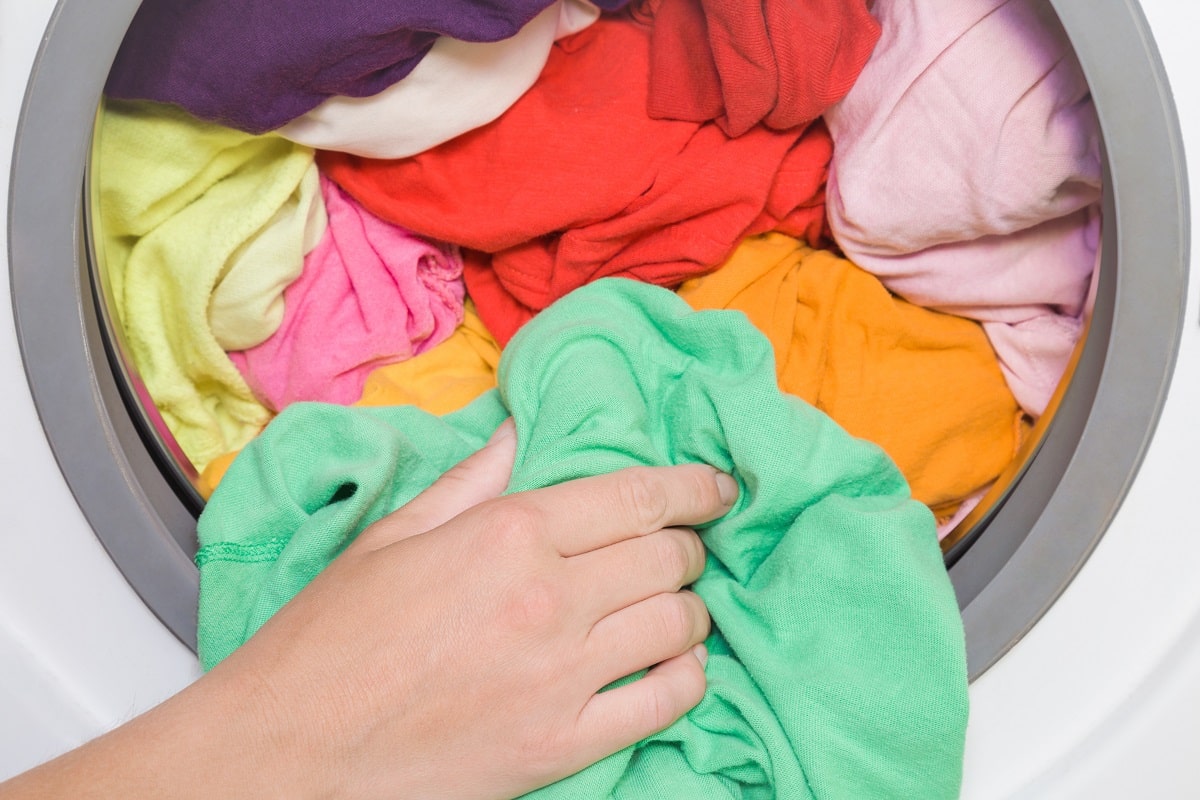
An overloaded drum is another common reason for an LG dryer not drying clothes properly. When the drum is packed full, hot air can’t circulate evenly, leaving items damp or still wet after the cycle. Overloading also puts strain on the drum motor and heating system, potentially leading to loud dryer noises as well.
-
Fill the drum about two-thirds full for best results.
-
Separate heavy fabrics (like towels and bedding) into smaller loads.
-
Shake out clothes before placing them inside to allow better airflow.
3. Tripped Breaker or Power Supply Issue
For electric models, an LG dryer requires a full 240-volt power supply to generate heat. The dryer drum may still spin if only one breaker trips, but the heating element won’t work. Gas dryers have similar issues if the gas valve is not fully open.
-
Check your home’s electrical panel and reset any tripped breakers.
-
Make sure the dryer is plugged directly into a dedicated wall outlet—not a surge protector or extension cord.
-
For gas models, confirm the shutoff valve is fully open and the supply line has adequate pressure.
4. Blocked Dryer Vent or Exhaust Duct
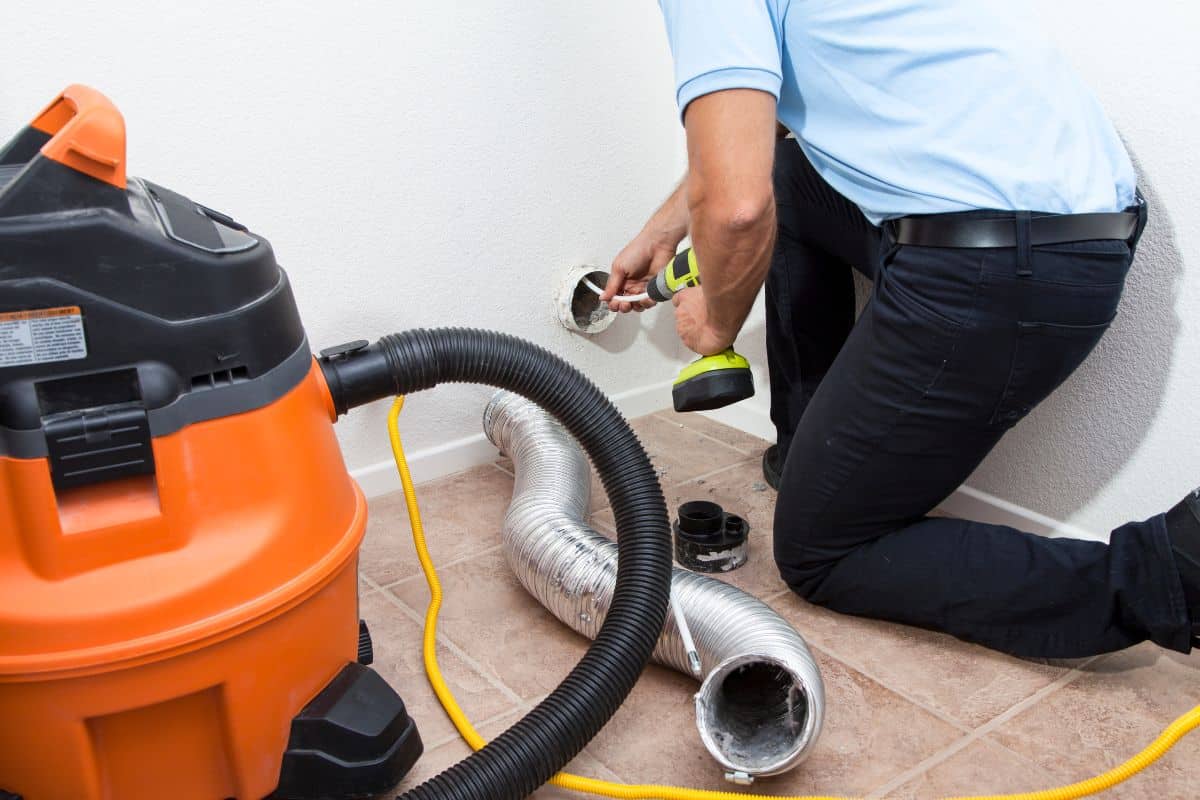
A clogged vent is one of the leading causes of an LG dryer not heating. Restricted airflow prevents hot, moist air from leaving the drum, making clothes take much longer to dry. A blocked vent can also cause the dryer to overheat and trigger the thermal fuse.
Here’s how to clean a clogged dryer vent:
-
Unplug the dryer or turn off the gas supply if it’s a gas model.
-
Pull the dryer away from the wall carefully.
-
Disconnect the vent hose from the back of the dryer.
-
Use a vacuum with a hose attachment or a dryer vent cleaning brush to remove lint from the hose.
-
Check the wall vent and exterior vent cap for lint buildup or obstructions like leaves and bird nests.
-
Reattach the hose, making sure it’s not kinked or crushed, and push the dryer back into place with some clearance for airflow.
-
Run the dryer on a short cycle to confirm air is flowing strongly out of the exterior vent.
Regular vent cleaning improves efficiency, prevents fires, and helps maintain steady heating. Aim to deep clean the vent at least once a year.
5. Dirty Moisture Sensor
LG dryers use moisture sensors inside the drum to detect when clothes are dry. If these sensors are coated with lint or dryer sheet residue, they may signal the dryer to stop heating too early, leaving clothes damp.
-
Locate the sensor bars, usually found near the lint filter housing or on the drum wall.
-
Gently scrub the bars with a soft cloth, warm water, and a drop of mild dish soap.
-
Avoid using abrasive cleaners that can scratch the sensors.
-
Reduce dryer sheet use, as they often leave behind a waxy buildup.
6. Blown Thermal Fuse
The thermal fuse is a safety device that shuts off power to the heating system if the dryer overheats. Once it blows, the dryer will run without heat until the fuse is replaced.
-
The fuse is usually located on the blower housing or heating element assembly.
-
Testing with a multimeter will confirm if it has continuity. If not, replacement is required.
-
If the fuse blows, it’s important to also check for clogged vents or airflow restrictions that caused the overheating.
7. Faulty Igniter or Gas Valve Solenoids (Gas Models)
For gas dryers, the igniter and gas valve solenoids are critical to producing heat. If the igniter fails, the gas won’t ignite. If the solenoids fail, gas may flow once but not sustain heating.
-
Start the dryer and observe whether the igniter glows. If it doesn’t, the igniter may be bad.
-
If the igniter glows but the flame goes out quickly, the solenoids are likely failing.
-
These parts require replacement if defective and may need professional service.
8. Failed Heating Element (Electric Models)
In electric LG dryers, the heating element is responsible for producing hot air. Over time, it can burn out, leaving the dryer running but cold.
-
A multimeter can test for continuity to confirm if the element has failed.
-
Heating elements are replaceable but require some disassembly of the dryer cabinet.
-
Because this is one of the most common causes of no heat, it’s often worth testing early if airflow and settings look fine.
9. Malfunctioning Thermostat, Thermistor, or Control Board
The least common but most complex causes involve the dryer’s electronic components. A defective thermostat or thermistor may misread the dryer’s temperature, while a faulty control board may fail to send power to the heating system.
-
These issues typically require professional testing with specialized tools.
-
If your dryer exhibits multiple heating and control issues at once, the control board may be failing.
-
Because of the cost and complexity, this type of repair is best handled by a technician.
Professional Help for an LG Dryer Not Heating
If you’ve checked the basics—cycle settings, power supply, lint screen, and vents—but still find your LG dryer not heating properly, it’s time to call for expert help. Some repairs, like replacing a heating element, thermal fuse, or gas solenoid, can be complicated without the right tools.
We recommend D&T Appliance Service for fast, professional LG appliance repair in Minneapolis and the surrounding areas. Our experienced technicians specialize in LG dryers and can quickly diagnose and fix heating problems so you can get back to a working laundry routine.