
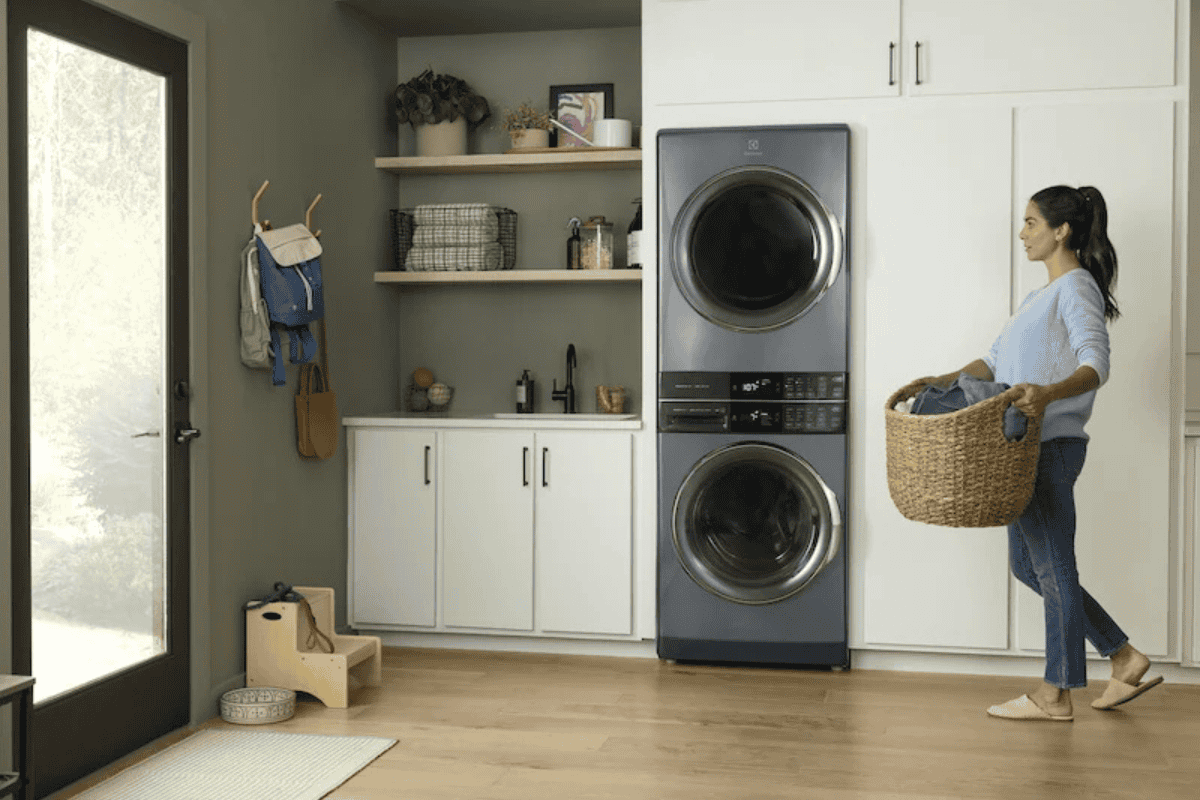
A persistent odor issue often indicates maintenance is overdue. If your Electrolux washer smells, it may result from bacteria, mold buildup, or improper cleaning habits. This guide from our professional Electrolux technicians at D&T Appliance Service outlines the causes and provides a systematic approach to odor elimination.
Common Causes of Electrolux Washer Smells
Several factors can lead to odors in an Electrolux washer. Identifying the source is critical before performing a detailed cleaning and maintenance routine.
- Mold and mildew buildup from moisture trapped in seals and dispensers
- Use of excess or the wrong type of detergent
- Infrequent cleaning cycles
- Clogged or dirty drain pump filter
- Poor air circulation after wash cycles
Understanding these issues allows for targeted troubleshooting, which we address in the steps below.
Tools and Materials Needed
- White vinegar
- Baking soda
- Soft brush or old toothbrush
- Microfiber cloth
- Bucket or small container
- Screwdriver (if drain pump access is needed)
Step-by-Step Guide to Eliminate Electrolux Washer Odors
1. Unplug the Washer
Before performing any maintenance, always disconnect the washer from its power source. Electrical safety is the first priority to prevent injury or equipment damage. Even if the washer appears off, residual current can pose a hazard. Verifying full disconnection ensures a safe working environment.
- Locate the plug and remove it from the wall outlet. This is the first and most important step in ensuring your safety.
- Ensure the washer is completely off before proceeding. Verifying this prevents any accidental electrical activation during maintenance.
- Keep the area dry to avoid electrical hazards. Water and electricity are a dangerous combination in any setting.
- Wait at least one minute before beginning any further action. This pause allows internal components to safely discharge.
- Verify all indicator lights are off. Indicator lights can signal residual power still present in the unit.
Once the washer is safely disconnected, proceed to clean the drum.
2. Clean the Washer Drum
The washer drum often traps detergent residue and moisture, making it a breeding ground for bacteria and mildew. If your Electrolux washer smells, the drum is typically the first place to investigate. Regular cleaning prevents buildup that contributes to unpleasant odors. Using household cleaners like vinegar effectively neutralizes contaminants.
- Add 2 cups of white vinegar directly to the drum. This natural cleaner targets microbial growth and built-up residues.
- Run the washer on the hottest and longest cycle. High heat maximizes the sanitizing power of the vinegar.
- Allow the cycle to complete without laundry. Running the drum empty ensures the cleaning solution reaches all surfaces.
- Wipe down the drum with a microfiber cloth after the cycle. This removes any loosened residue left behind.
- Leave the door open to air dry. Airflow prevents new mold or mildew from forming.
With the drum cleaned, the next step is addressing the door gasket.
3. Scrub the Door Gasket
The rubber gasket around the washer door is one of the most common areas for mold accumulation. Moisture often gets trapped in the folds, allowing mold and bacteria to grow undisturbed. This buildup leads directly to foul odors and can even affect washing performance. Regularly scrubbing this area is essential for ongoing hygiene.
- Mix a paste of baking soda and water. The paste acts as a gentle abrasive cleaner for rubber surfaces.
- Apply the paste to the gasket, focusing on folds and crevices. These areas are the most prone to trapping debris and mildew.
- Scrub using a soft brush or old toothbrush. This allows you to reach tight spots without damaging the gasket.
- Wipe clean with a damp microfiber cloth. Removing all residue ensures no buildup is left behind.
- Leave the door ajar to prevent moisture retention. Air circulation keeps the gasket dry and mold-free.
Once the gasket is cleaned, it's time to empty and rinse the drain pump filter.
4. Clean the Drain Pump Filter
A clogged drain pump filter is another major contributor to washer odors. It collects lint, fabric fibers, and small objects from laundry loads. If not cleaned regularly, it can harbor bacteria and impede water drainage, which intensifies unpleasant smells. Maintaining this component supports both cleanliness and performance. If your Electrolux washer smells even after drum cleaning, this is a critical area to check.
- Open the access panel, typically located at the washer's bottom front. Use a flashlight if needed to clearly see the components inside.
- Place a shallow container underneath to catch water. Some residual water will drain during filter removal.
- Unscrew the filter slowly and drain water into the container. Proceed carefully to avoid spillage.
- Remove debris and rinse the filter under running water. Use a brush if needed to dislodge stubborn particles.
- Reinstall the filter securely before closing the panel. Improper sealing can lead to leaks or poor drainage.
Next, clean the detergent dispenser to remove buildup and prevent future smells.
5. Clean the Detergent Dispenser
The detergent drawer is frequently overlooked but prone to buildup from concentrated detergent, fabric softeners, and moisture. This residue supports mold growth and contributes to persistent odors. Keeping this compartment clean helps ensure detergents are properly dispensed and that odors do not develop in your Electrolux washer. If your Electrolux washer smells again shortly after cleaning, the dispenser should be inspected.
- Remove the detergent drawer completely. Check your user manual for instructions specific to your model.
- Soak it in warm, soapy water for 15–20 minutes. This loosens hardened detergent and softener residues.
- Scrub with a brush to remove buildup. Pay attention to corners and narrow channels.
- Rinse thoroughly and dry before reinserting. Residual soap or water can foster bacterial growth.
- Wipe the compartment inside the washer as well. This area also collects splashes and must be cleaned.
After reassembling all parts, perform a maintenance cycle to complete the process.

Electrolux Washer Cleaning & Odor FAQs
How often should I clean my Electrolux washer to prevent smells?
Clean the washer drum, gasket, and dispenser monthly. Clean the drain pump filter every three months to maintain performance.
Can using too much detergent cause my Electrolux washer to smell?
Yes. Excess detergent leaves residue that fosters bacterial growth. Always use the amount recommended by the manufacturer.
Is it safe to leave the washer door open between cycles?
Yes. Keeping the door open improves airflow and helps prevent mold and mildew buildup inside the drum and gasket.
Why does my washer still smell after cleaning?
Persistent odors may indicate buildup in the drain hose or a more complex mechanical issue. Professional service may be required in such cases. Learn more about issues like a front-load washer leaking water that could be related.
After each wash, wipe down the drum, gasket, and door glass with a dry microfiber cloth to minimize moisture retention and reduce the risk of odor development.
For ongoing performance and odor prevention, follow this routine monthly and contact D&T Appliance Service if help from our expert dryer repair team is needed.