
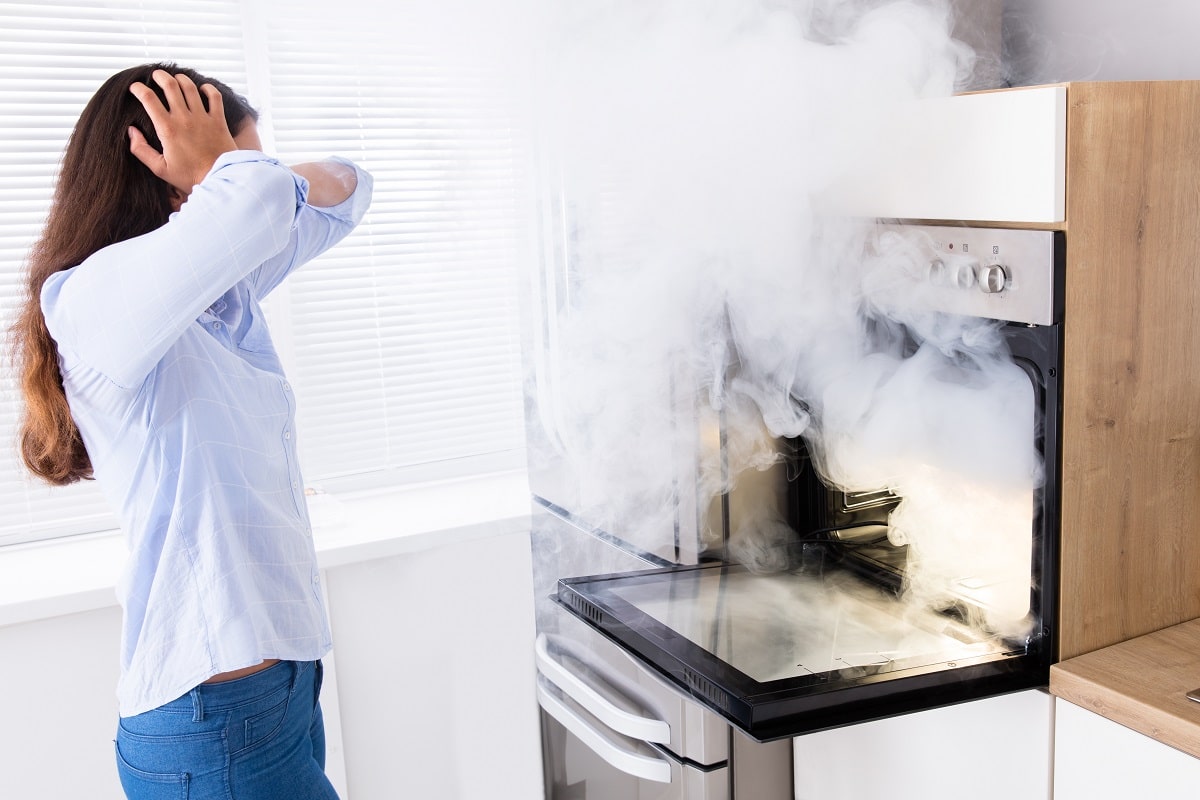
Many homeowners wonder if it’s really safe to use the self cleaning oven feature when the inside of their oven starts looking grimy. While the self-clean cycle promises a sparkling clean interior with minimal effort, this convenience often comes at a cost. The extreme temperatures used during the process can cause permanent damage to critical oven components and even pose potential safety hazards inside your home.
To help you decide whether it’s safe to use the self cleaning oven feature, we’ve outlined the most common risks and provided safe, natural alternatives to keep your oven spotless and working efficiently.
Why It’s Not Safe to Use the Self Cleaning Oven Feature
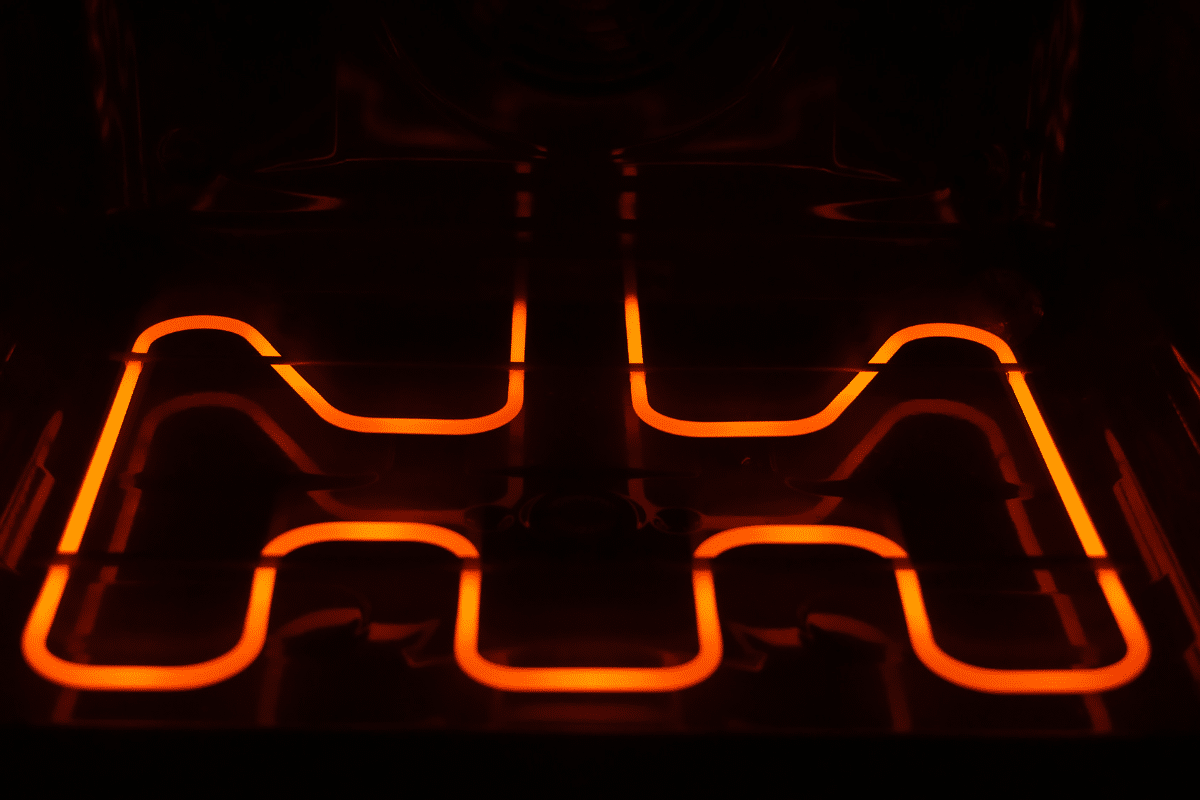
The self-clean cycle can reach temperatures close to 1000°F, designed to incinerate food residue into ash. However, these extreme heat levels also expose internal components, wires, and electrical parts to conditions far beyond what they were designed to handle. Here are the top reasons this feature can be more harmful than helpful.
1. Damage to the Locking Mechanism
During a self-clean cycle, the oven automatically locks to protect users from the high heat inside. Unfortunately, these high temperatures can warp or fuse the locking mechanism, leaving the door permanently sealed shut or unable to close properly afterward.
Signs of damage include:
-
Oven door stuck in the locked position
-
Door that won’t seal properly after the cycle
-
Clicking or grinding noises when locking
If your oven door won’t open after running the cycle, schedule professional oven repair in Minneapolis. Trying to force it open can cause additional damage to hinges and latches.
2. Thermostat and Thermal Fuse Failure
Your oven’s thermostat and thermal fuse regulate temperature during normal cooking. Exposing these parts to extreme heat can cause them to pop or fail, which may lead to:
-
Oven not heating at all
-
Inaccurate temperature readings
-
Food cooking unevenly or burning
Many homeowners don’t realize the damage until their next meal comes out overcooked or underdone. Replacing these components requires professional diagnosis and repair to ensure safe, accurate oven performance.
3. Electronic Board and Touch Control Malfunctions
Modern ovens rely heavily on electronic control boards and digital touch panels to manage settings. The excessive heat from self-cleaning can cause these boards to short-circuit or malfunction, leading to:
-
Flickering or blank displays
-
Random power cycling
-
Error codes or unresponsive buttons
Without a functioning control panel, your oven can become completely unusable. Avoid this costly repair by skipping the self-clean feature and opting for gentler cleaning methods.
4. Melted Wires and Contact Terminal Damage
The oven’s wiring system and contact terminals are designed to withstand cooking temperatures—not self-cleaning levels approaching 1000°F. During the cycle, insulation materials can melt or burn away, creating electrical risks such as:
-
Short circuits or blown fuses
-
Burning odors or smoke
-
Potential fire hazards
If your oven emits a strange smell or shows signs of electrical failure after a self-clean cycle, unplug it immediately and call a technician for inspection. Heat-damaged wires are not safe to repair without professional help.
5. Damage to Internal Oven Components
Virtually every part of your oven—heating elements, light bulbs, sensors, enamel, and even glass panels—is exposed to intense heat during self-cleaning. Over time, this can cause:
-
Cracked or discolored enamel
-
Damaged bake and broil elements
-
Melted gaskets or warped surfaces
This kind of wear not only affects performance but can also release unpleasant fumes and smoke into your kitchen. In some cases, an oven overheats after self-cleaning due to thermostat damage or blocked ventilation, which can further compound the problem. Learn more about what to do if your oven overheats.
Safe Alternatives to the Self Cleaning Oven Feature
Instead of relying on extreme heat, there are several safe and effective ways to clean your oven naturally. These methods are better for your appliance, your indoor air quality, and your peace of mind.
1. Make a DIY Natural Oven Cleaner
Skip the chemicals and use simple household ingredients for a safe, non-toxic clean that won’t damage your oven.
What you’ll need:
-
½ cup baking soda
-
Water (enough to make a paste)
-
White vinegar
-
Spray bottle
-
Damp cloth or sponge
Steps for natural oven cleaning:
-
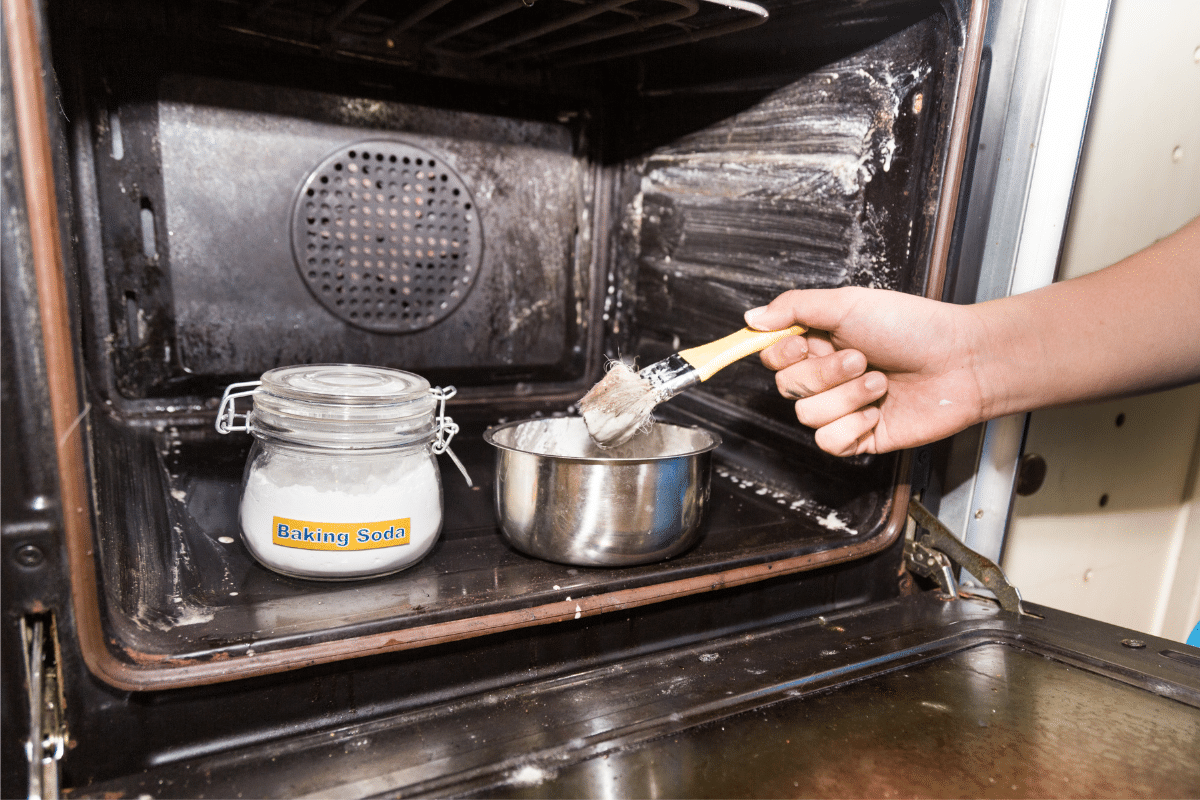
Mix baking soda with a small amount of water to create a thick paste.
-
Spread the paste evenly across the oven interior, avoiding the heating elements.
-
Let it sit overnight (8–12 hours).
-
Wipe away the paste with a damp cloth or sponge.
-
Spray vinegar on any residue to dissolve it, then wipe again for a streak-free shine.
This method removes stubborn grime and grease while keeping your oven and air safe from harmful fumes.
2. Use a Natural Degreaser for Stubborn Spots
For baked-on spills, apply a natural oven degreaser like Simple Green or a vinegar-based solution. Let it soak for 10–15 minutes before scrubbing with a non-abrasive sponge. This helps remove carbon buildup and grease without damaging your oven’s protective coating.
3. Clean the Oven Door Glass
Grease and steam can seep between glass panels on your oven door over time. For a clear view and a more professional appearance, use our guide on oven door cleaning. Regular cleaning keeps the glass free of streaks and prevents buildup that can bake onto the surface.
4. Regular Maintenance for Better Performance
Keeping your oven in top condition doesn’t stop at cleaning. Follow these best practices to prevent costly repairs and extend your oven’s lifespan:
-
Wipe spills immediately after cooking once the oven cools.
-
Use oven liners to catch drips without blocking air vents.
-
Schedule professional maintenance once a year.
-
Avoid using aluminum foil on racks—it can disrupt heat flow.
These habits will help your oven maintain even heating and efficient performance for years to come.
Is It Ever Safe to Use the Self Cleaning Oven Feature?
In most cases, it’s not safe to use the self cleaning oven cycle due to the high risk of damage and safety concerns. While manufacturers include it as a convenience feature, professional technicians recommend gentler, natural methods that clean effectively without endangering your appliance or home.
If your oven isn’t heating properly or you’ve experienced issues after using the self-cleaning feature, D&T Appliance Service can help. Schedule trusted oven repair in Minneapolis to restore your oven’s performance and safety.