
When laundry piles up and your GE washer won’t start, it can be frustrating and disruptive. Fortunately, many issues that cause a GE washer not starting are simple to diagnose and often easy to fix. Before you assume your machine has failed completely, there are several troubleshooting steps that may get your GE washing machine running again.
If your GE washing machine stopped working, the list below covers the most common problems and how to check for them.
Here's Why Your GE Washer Won’t Start...
If your GE washer is not starting, the underlying cause usually falls into one of the categories below. Work through each section carefully to identify what’s keeping your washer from turning on.
1. The Washer Isn’t Getting Power
Power interruptions are one of the leading reasons why a GE washing machine won’t turn on. A washer requires a dedicated power source to function properly.
-
First, make sure the washer is securely plugged into a wall outlet. Avoid extension cords, as they can restrict voltage and lead to start-up issues.
-
Test the outlet by plugging in another small appliance such as a lamp or phone charger. If the outlet has no power, reset your circuit breaker or replace any blown fuses.
-
Check for GFCI outlets in the laundry room. If tripped, they will cut power to your washer until reset.
Without a consistent power source, even a perfectly functional washer will appear unresponsive.
2. The Door or Lid Isn’t Fully Closed
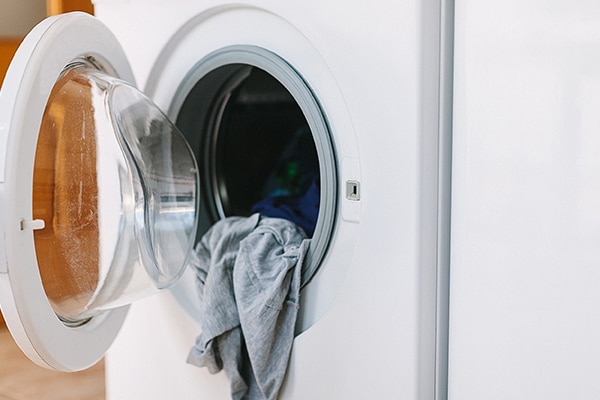
A GE washing machine will not run unless the door or lid is securely latched. This safety feature prevents leaks and protects children or pets from accidentally being exposed to moving parts.
-
Inspect the latch for dirt, detergent buildup, or clothing fibers that may prevent it from closing.
-
Push firmly until you hear a click, which indicates the lock is engaged.
-
If the latch or strike plate is broken or misaligned, the washer will register the door as open even when it appears shut.
A worn-out door lock is a common failure point in GE washers, and replacing it usually resolves this problem.
3. Faulty Lid Switch
The lid switch acts as a safety signal to the washer’s control system. If it fails, the GE washer won’t start even if the lid looks closed.
How to test for a faulty lid switch:
-
Disconnect the washer from power.
-
Access the lid switch under the top panel or inside the lid assembly.
-
Use a multimeter to check for continuity when the switch is pressed.
-
If the switch does not register continuity, it should be replaced.
A broken lid switch can’t be bypassed in most modern GE models. For safety and reliability, replacement is the best solution.
4. Washer Settings or Child Lock Issues
Incorrect settings can often make it seem like a GE washing machine stopped working.
-
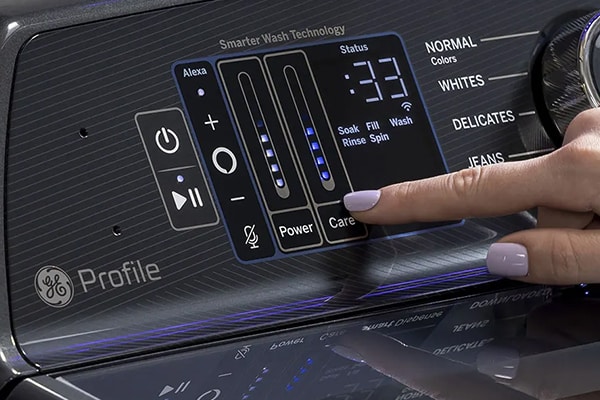
Review the control panel to confirm you’ve selected the proper cycle.
-
If the washer has a Delay Start option enabled, it will not begin washing until the programmed time. Cancel the delay or restart the cycle.
-
Many GE washers also have a Child Lock or Control Lock feature. This setting disables the control panel to prevent accidental use. If enabled, the washer will not respond to button presses until the lock is turned off.
Double-checking these settings can save you time and frustration before assuming a mechanical failure.
5. Water Supply Problems
Water flow is essential for any washer to begin its cycle. If the machine cannot detect water, the GE washer may not start or may stop shortly after filling.
-
Make sure both the hot and cold water valves are fully open. Even if you are washing in cold water, some cycles still require hot water to function.
-
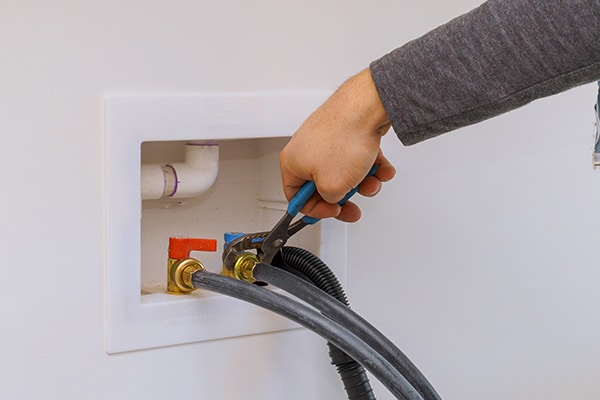
Inspect the hoses for kinks, pinches, or sharp bends that may restrict flow.
-
Remove the hoses from the back of the washer and check the inlet screens for sediment buildup that could be blocking water.
-
Look for leaks around hose connections, as a loose or damaged hose can prevent proper filling.
If water supply problems persist, it may be necessary to inspect the washer’s inlet valve or water level sensor.
6. Faulty Timer or Control Board
If all other possibilities have been ruled out, the issue may be with the timer or the main control board. These components direct the washer through each stage of the cycle.
-
A faulty timer may prevent the cycle from advancing to the wash stage, causing the washer to appear unresponsive.
-
The electronic control board can fail due to moisture, power surges, or simply wear over time. Symptoms may include no response to button presses, cycles that don’t advance, or a washer that won’t power on at all.
Because these components involve sensitive electronics, diagnosing them typically requires a professional technician. At this point, it is usually best to call for GE appliance repair service.
When to Call a Professional
If you’ve tried these GE washing machine troubleshooting steps and your washer still won’t start, contacting a trained technician is the best option. Problems with wiring, sensors, and control boards often require specialized tools and replacement parts.
At D&T Appliance Service, we provide expert washing machine repair in Minneapolis and can service all major GE washer models. Our team can quickly identify the problem and get your laundry routine back on schedule.
Extra Tip: Use the Right Detergent
Using the wrong detergent may not directly cause a GE washer not starting, but it can contribute to other long-term issues. Residue from non-HE detergent can clog hoses, block sensors, or trigger error codes that prevent the washer from running.
Choosing the best kind of laundry detergent for your washer is an easy step that can help you avoid many unnecessary service calls.