
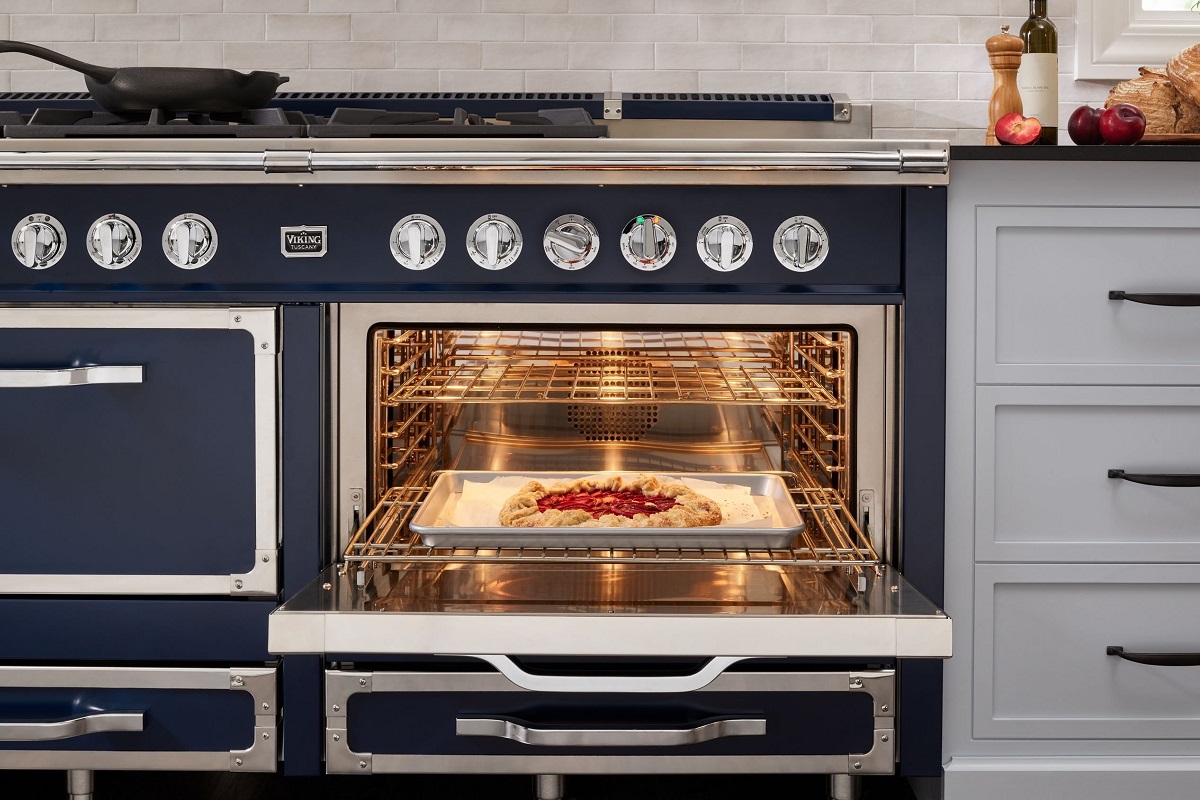
A Viking oven is designed to deliver precise temperatures and consistent cooking results. However, if your Viking oven takes too long to preheat, the problem could range from incorrect settings to a malfunctioning heating component.
While preheating times vary depending on the cooking mode and temperature setting, a noticeable increase may indicate an underlying issue. Understanding the possible causes can help you determine when professional service is necessary.
Here’s Why Your Viking Oven Takes Too Long to Preheat
Viking ovens rely on several components to generate, distribute, and regulate heat. When something isn't working correctly, preheating can take longer than expected. Here are six potential causes to consider.
1. Incorrect Oven Settings or Cooking Modes
Viking ovens offer several cooking modes, including conventional baking, convection baking, and convection roasting. Each uses a different heating process that can affect preheating times.
Certain cooking modes and higher temperature settings may require additional time to reach the desired temperature.
If your oven seems slower than usual, review the selected settings and consult your Viking owner's manual for model-specific guidance. However, if preheating suddenly takes significantly longer under familiar settings, another issue may be responsible.
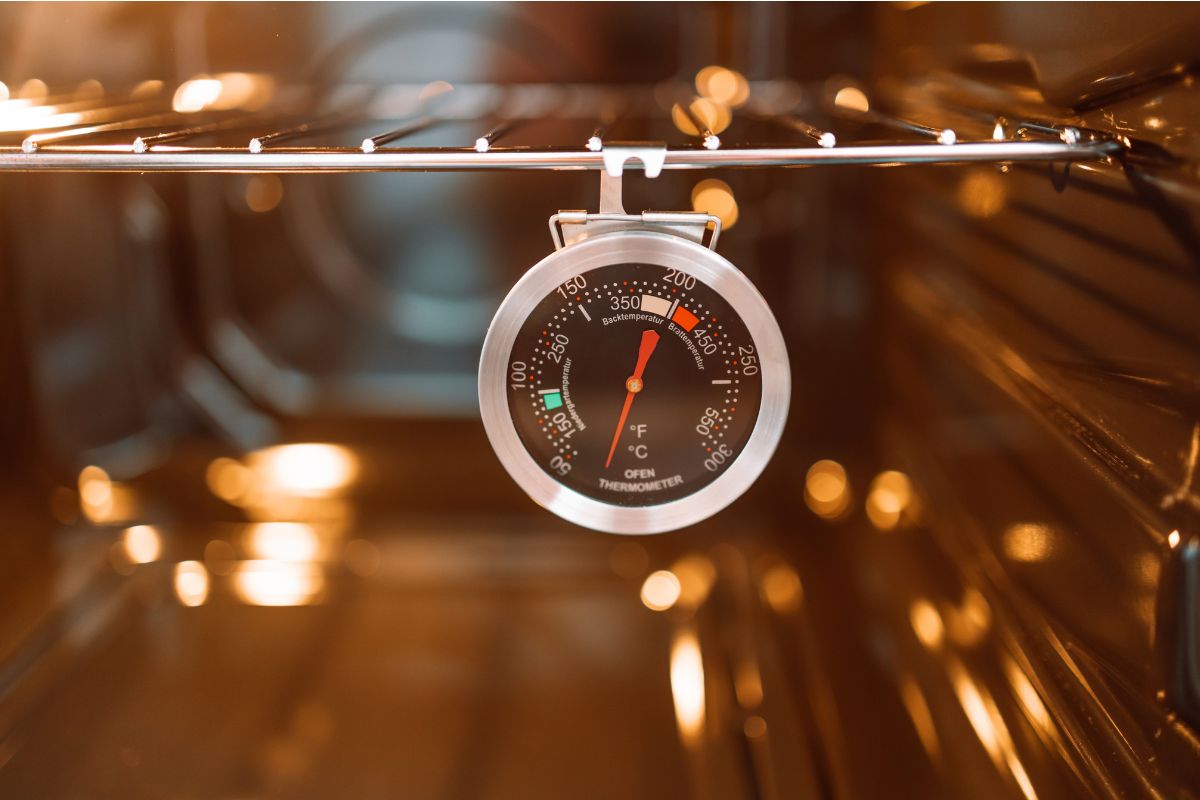
2. Worn or Damaged Oven Door Gasket
The oven door gasket creates a seal that helps retain heat inside the oven. Over time, exposure to high temperatures can cause the gasket to deteriorate, allowing heat to escape and slowing down preheating.
Common signs of a damaged oven door gasket include:
- Visible cracks, tears, or worn sections along the seal
- Excessive heat escaping around the oven door
- Inconsistent cooking temperatures
- Longer preheating times than usual
What should you do? Once the oven has cooled completely, visually examine accessible portions of the gasket for obvious damage. If the seal appears worn or damaged, a professional technician can determine whether replacement is necessary.
3. Faulty Bake or Broil Element
In electric Viking ovens, the bake and broil elements generate heat during cooking. Depending on the model, both may contribute to preheating.
When a heating element fails, you may notice:
- Slow preheating: The oven takes considerably longer to reach the selected temperature.
- Uneven cooking: Food cooks inconsistently, or your oven won't bake food evenly.
- Visible damage: An exposed heating element may show signs of blistering or deterioration.
Some Viking ovens have concealed heating elements, meaning damage isn't always visible. A professional technician can inspect the heating system and determine whether an element requires replacement.
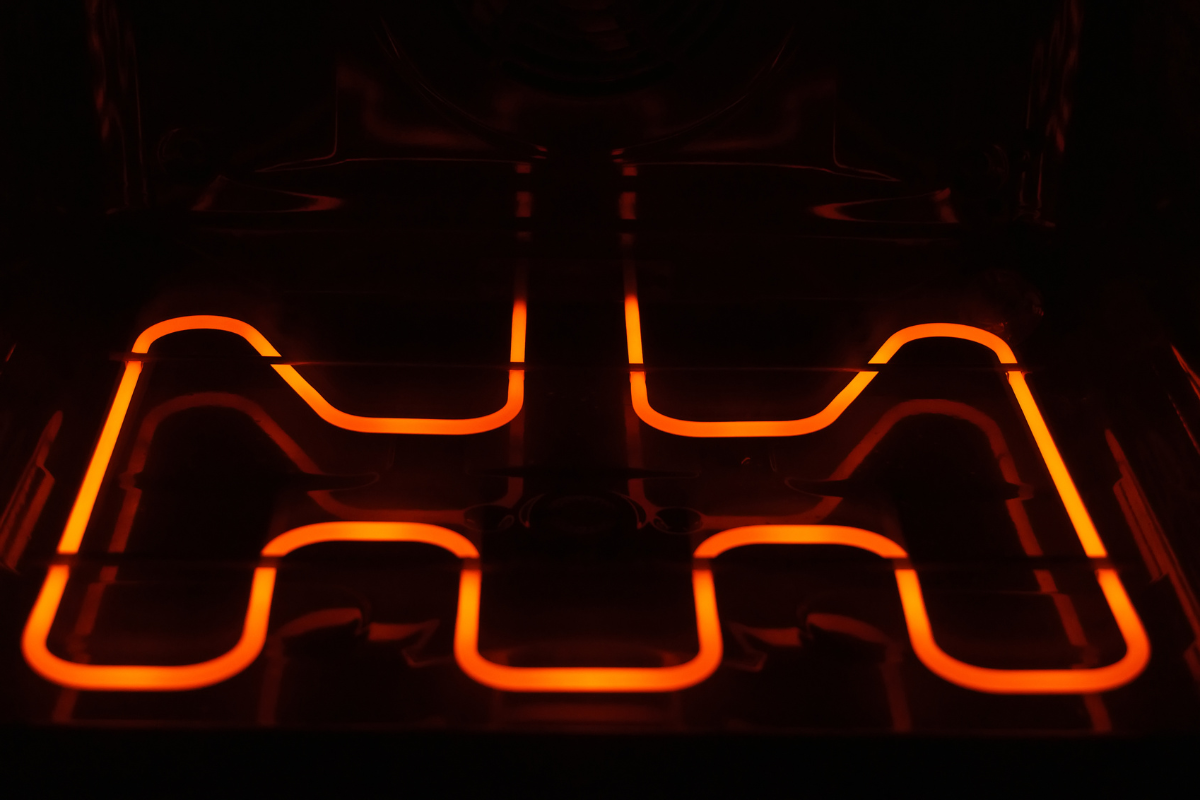
4. Weak or Failing Oven Igniter
In applicable gas Viking ovens, the igniter helps initiate the heating process. When it weakens, it may struggle to operate the gas safety valve reliably, delaying ignition or preventing the oven from heating.
Warning signs of a failing igniter:
- Extended delays before the oven begins heating
- Intermittent heating during cooking
- Increasingly long preheating cycles
- Difficulty reaching the selected temperature
Why professional service matters: Igniters can gradually weaken over time, making the problem increasingly unpredictable. Because the ignition system involves gas and electrical components, diagnosis and repairs should always be handled by a qualified technician.
If you smell gas, leave the area and contact your gas utility or emergency services from a safe location.
5. Malfunctioning Oven Temperature Sensor
The oven temperature sensor monitors internal heat levels and communicates with the electronic controls to regulate heating cycles.
If the sensor provides inaccurate readings, the oven may reduce heat prematurely or struggle to maintain the correct temperature.
Symptoms can include slow preheating, inconsistent baking results, unexpected heating interruptions, or temperatures that differ noticeably from the selected setting.
Because sensor problems can resemble other heating failures, professional diagnosis is important. A technician can evaluate the sensor and related components to determine whether replacement is necessary.
6. Defective Oven Control Board
The electronic control board coordinates your Viking oven's heating functions, temperature regulation, and cooking settings.
When the control board malfunctions, it may not manage the heating components correctly.
Potential symptoms include:
- Extended preheating: The oven struggles to reach its target temperature.
- Intermittent heating: Heating functions operate inconsistently.
- Unresponsive controls: Buttons or electronic settings stop responding.
- Error messages: Digital displays may show error codes or unusual behavior.
Important to know: These symptoms don't necessarily mean the control board has failed. Faulty sensors or heating elements can produce similar problems, so a qualified technician should diagnose the appliance before recommending replacement.
Restore Your Viking Oven's Reliable Heating Performance
If your Viking oven takes longer than expected to preheat, the problem could involve worn door seals, faulty heating components, temperature sensors, or electronic controls. Addressing these issues promptly can help restore reliable cooking performance.
For professional assistance, contact D&T Appliance Service. Our experienced technicians provide factory authorized Viking repair service to diagnose and address heating problems with your appliance.
Whether you're experiencing slow preheating or inconsistent temperatures, D&T Appliance Service offers dependable oven repair service in Minneapolis and the surrounding Twin Cities area.
Contact D&T Appliance Service today to schedule an appointment and restore your Viking oven's performance.