
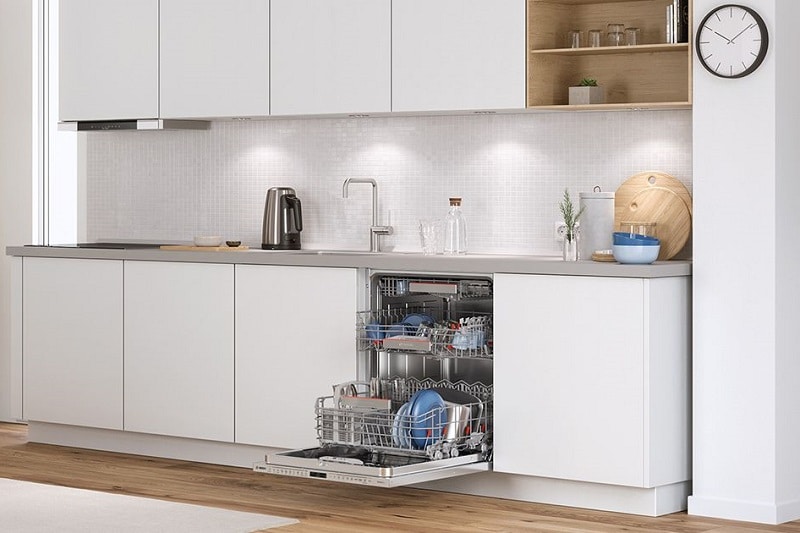
If your Bosch dishwasher won't fill with water, the appliance cannot complete its wash cycle properly. Water is necessary to dissolve detergent, circulate through the spray arms, and remove food debris from dishes. When the dishwasher begins a cycle but no water enters the tub, it usually means a component involved in the filling process is not working correctly.
This problem can sometimes be caused by a minor obstruction, but in other cases it may involve internal parts that require professional service. Understanding the most common causes can help you recognize what may be happening and when it is time to schedule a repair.
Check for These Problems If Your Bosch Dishwasher Won’t Fill
When a Bosch dishwasher won't fill, the issue typically relates to the components responsible for allowing water into the appliance. Bosch dishwashers rely on a series of sensors, valves, and safety switches to control water flow. If any of these systems malfunction, the dishwasher may start but remain dry inside.
In some cases, filling problems may appear alongside other symptoms. For example, some homeowners notice similar issues when a dishwasher won't turn on or fails to progress through the normal cycle stages. Recognizing these patterns can help technicians narrow down the possible causes more quickly.
Below are several common issues that can lead to this problem, beginning with simpler possibilities and moving toward more complex mechanical failures.
Clogged or Dirty Water Inlet Screen
The water inlet valve contains a small protective screen that prevents debris or sediment from entering the dishwasher. Over time, minerals from hard water or small particles in the water supply can accumulate on this screen.
When the screen becomes restricted, water may not be able to pass through at the proper rate. The dishwasher may begin the cycle but fail to fill with enough water to start washing.
In some situations, a quick visual inspection around the water inlet area may reveal visible debris or buildup. If minor residue is present, cleaning the area may restore proper water flow. If the dishwasher still does not fill after the area is cleaned, the inlet valve itself may require inspection by a technician.
Faulty Water Inlet Valve
The water inlet valve is the component that controls when water enters the dishwasher. At the beginning of the wash cycle, the control system sends a signal to this valve to open and allow water into the tub.
If the valve becomes worn, clogged with mineral deposits, or develops an electrical fault, it may fail to open when the dishwasher requests water. As a result, the cycle begins but the tub remains empty.
Signs that the inlet valve may be failing include:
- The dishwasher starts but no water enters the tub
- A humming sound occurs during the fill portion of the cycle
- The appliance pauses or stops early in the wash process
Because the inlet valve is connected to both electrical components and the home’s water supply, diagnosing and replacing it is best handled by a professional technician.
Float Switch Stuck in the Raised Position
Dishwashers include a float mechanism that protects the appliance from overfilling. As water enters the tub, the float rises and signals the control system once the correct water level has been reached.
If the float becomes stuck in the raised position, the dishwasher may mistakenly believe that the tub is already full of water. When this happens, the appliance will prevent additional water from entering.
Food debris, detergent residue, or small objects inside the tub can sometimes interfere with the float’s movement. A gentle visual check of the float area may reveal visible obstructions. If the float switch itself fails or the mechanism becomes damaged, professional service is typically required to correct the issue.
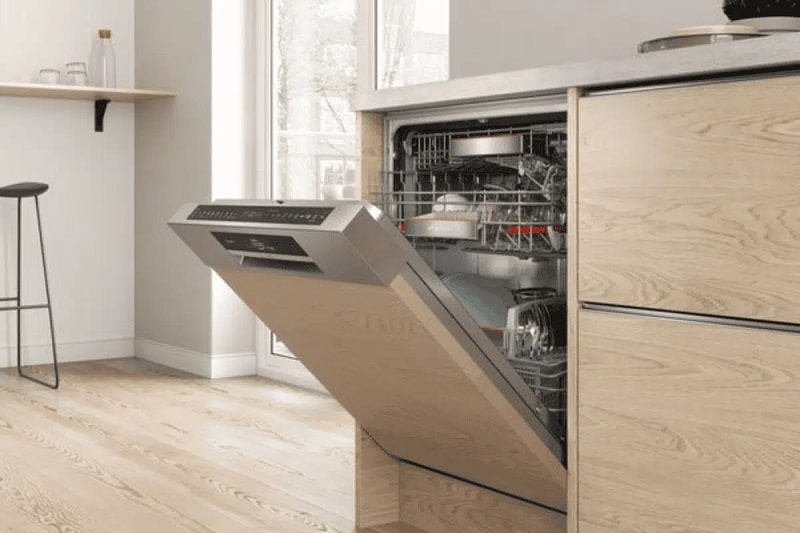
Door Switch or Latch Issue
A dishwasher will only begin its wash cycle if the door is securely closed and the latch engages properly. The latch activates a small switch that tells the control system the appliance is safe to operate.
If the latch becomes worn or the door switch stops working, the dishwasher may appear to start but fail to proceed with the fill stage.
Some common signs of a door latch or switch problem include:
- The dishwasher starts briefly but stops quickly
- Indicator lights appear normal but the cycle does not progress
- The dishwasher makes initial sounds but no water enters the tub
Because the door latch assembly includes electrical components, a trained technician should inspect and replace the part if necessary.
Control Board or Electronic Issue
Modern Bosch dishwashers rely heavily on electronic control systems. The control board manages the timing of the cycle and communicates with key components such as the water inlet valve and sensors.
If the control board develops a fault, it may fail to send the proper signal that allows the dishwasher to begin filling with water. Electronic issues can lead to inconsistent behavior, including cycles stopping unexpectedly or the dishwasher failing to advance through normal stages.
Diagnosing electronic control problems requires specialized tools and experience with Bosch appliances. When issues involve electronics or internal components, working with specialists in certified Bosch appliance repair can help ensure the appliance is properly diagnosed and repaired.
When Should I Call for Repair Service?
When a Bosch dishwasher won't fill properly, the cause can range from a restricted inlet screen to a malfunctioning valve or electronic control problem. While some situations may involve simple cleaning or a quick visual check, many of these issues require specialized tools and technical knowledge to diagnose safely.
If the problem continues, scheduling professional service is the safest way to restore your appliance. The technicians at D&T Appliance Service have the training and experience to identify the exact cause and complete the repair correctly. If you need a dishwasher repair service in Minneapolis, our team can help get your kitchen back to normal quickly.
Other performance issues may appear over time as well. For example, some homeowners notice odors developing during regular use. If that happens, you may want to learn what causes a dishwasher smells like mildew problem and how professional service can help resolve it.