
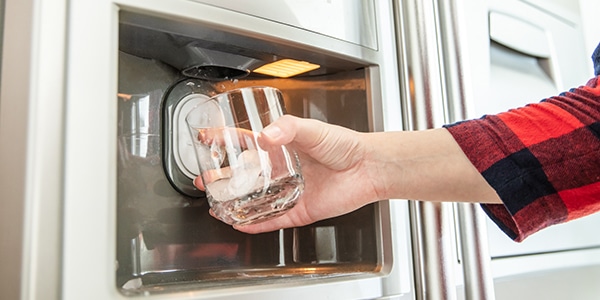
Are Refrigerator Water Filters Necessary for Clean Drinking Water?
For most homes, the answer is yes. Refrigerator water filters are engineered to remove or reduce harmful contaminants found in municipal and well water supplies. These can include chlorine, lead, mercury, microplastics, sediment, and certain volatile organic compounds (VOCs). Over time, exposure to these substances can affect not only the taste and smell of your water, but also your health.
When functioning properly, your refrigerator’s water filter ensures the water you drink and the ice you use are clean, fresh, and free from common impurities. Although the refrigerator can still operate without one, the lack of filtration may result in lower water quality and even buildup in internal water lines over time.
For households that rely heavily on the refrigerator’s water and ice dispensers, keeping a functional filter in place is strongly recommended.
Can I Use My Refrigerator Without the Water Filter?
Yes, most refrigerators are designed to work without a filter if a bypass plug is installed. A bypass plug is a simple plastic cap that redirects the water flow, effectively allowing the fridge to continue dispensing water and making ice without routing it through the filtration system.
However, just because your fridge can operate without the filter doesn’t always mean it should. If you don’t have another form of water filtration in your home, skipping the fridge filter could expose you to impurities that affect water quality and taste.
Situations where a refrigerator water filter might not be necessary include:
-
You have a high-quality whole-house or under-sink water filtration system.
-
You use bottled or distilled water for drinking and ice.
-
You rarely use the water or ice dispenser in your fridge.
On the other hand, if none of the above apply, relying on the built-in filter is the most convenient and effective way to ensure safe, clean water.
[caption id="attachment_2472" align="aligncenter" width="600"]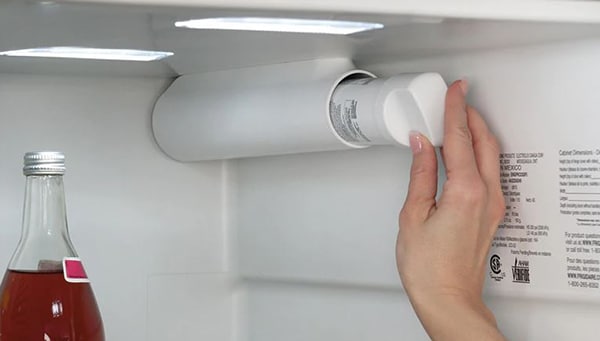 Image Credit: Frigidaire[/caption]
 How to Use a Refrigerator Without a Filter
If you’ve decided a refrigerator water filter isn’t necessary in your situation, here’s how to safely bypass it using a manufacturer-approved plug:
-
Open the fridge and locate the water filter housing.
-
Turn the existing filter counterclockwise to remove it or press the release button (depending on the model).
-
Insert the bypass plug into the filter compartment.
-
Turn or push the plug until it’s secure.
-
Test the water dispenser and ice maker to confirm they’re functioning normally.
Be sure to use a bypass plug from the same brand as your refrigerator to ensure proper fit and water flow. Using an incorrect plug or skipping it altogether can cause leaks or reduce performance.
[caption id="attachment_2473" align="aligncenter" width="544"]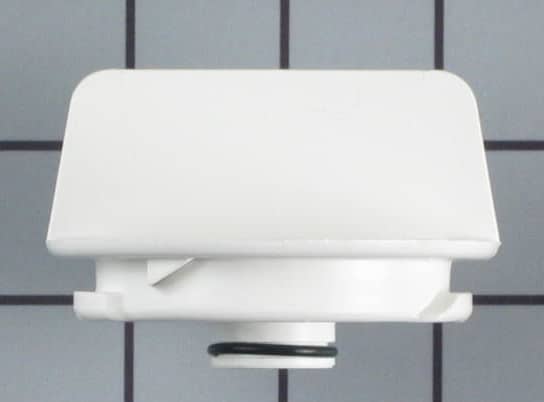 Image Credit: Parts Select[/caption]
 Why You Should Replace Your Refrigerator Water Filter
If you’re not using a bypass plug, regular replacement of your refrigerator water filter is essential. Over time, filters collect contaminants and particulates, which can clog the filter and reduce its effectiveness. A dirty or expired filter can cause:
-
Unpleasant odors in your water
-
Slow water flow from the dispenser
-
Increased bacteria or contaminant levels
Most manufacturers recommend replacing the water filter every 6 months. However, depending on water quality and usage levels, you may need to do it more frequently.
Common signs your filter needs replacing:
-
Water tastes metallic, sour, or musty
-
Ice cubes are small, cloudy, or melt quickly
-
Filter indicator light on your fridge turns red or flashes
-
Water flow is slower than usual
How to Replace a Refrigerator Water Filter
Replacing a refrigerator water filter is a straightforward task you can usually do in just a few minutes. Here’s how to do it:
-
Locate the filter, usually found in the upper-right corner inside the fridge or behind the base grille.
-
Remove the old filter:
-
For twist-in models, rotate the filter counterclockwise.
-
For push-button filters, press the button to release and pull straight out.
-
-
Remove and save the filter cap (if present).
-
Insert the new filter:
-
Twist-lock models: Insert and rotate clockwise to lock.
-
Push-in models: Attach the cap and push the filter into place until it clicks.
-
-
Run a few gallons of water through the dispenser to flush out any trapped air or carbon particles.
Always use the correct filter model for your specific refrigerator brand and model to ensure a tight seal and proper filtration.
Frequently Asked Questions About Refrigerator Water Filters
Do Refrigerator Water Filters Work?
Yes. Certified refrigerator filters are highly effective at removing chlorine, lead, rust, sediment, and some pharmaceuticals and pesticides. The effectiveness of a filter depends on its material, the contaminants it's rated to reduce, and its certification (e.g., NSF 42, 53, or 401). Using a certified filter ensures it performs as promised.
Is Fridge Water Filtered?
If your refrigerator has a functional filter installed and properly maintained, then yes—fridge water is filtered. Without a filter or bypass system, the water comes straight from your household plumbing, which may or may not meet your standards for drinking.
Do All Refrigerators Have Water Filters?
Not all models do. Some basic or older refrigerators don’t include a built-in filtration system. However, most newer models—especially those with water and ice dispensers—do include a water filter. If you’re unsure, check your user manual or model specifications online.
Will My Ice Maker Work Without a Filter?
Yes, but only if a bypass plug is installed. Without either a filter or bypass plug, some refrigerators will block water flow entirely, disabling the ice maker. Others may allow limited or unfiltered water to pass through, which could result in lower ice quality or clogs in the water line.
Do You Need a Water Filter If You Have a Home Filtration System?
If your home is equipped with a certified whole-house filtration or reverse osmosis system, you may not need the refrigerator filter as well. However, many homeowners choose to use both for added protection and better-tasting water. The fridge filter provides an extra layer of filtration, especially helpful if your system isn’t NSF-certified to reduce specific contaminants.
In most homes, refrigerator water filters are more than just an accessory—they’re an essential part of keeping your drinking water and ice clean, safe, and great-tasting. While it’s possible to use your refrigerator without one, doing so is only recommended if you have an alternate filtration system or don’t use the water or ice features regularly.
If you’re unsure whether your refrigerator water filter is necessary, need help replacing one, or are experiencing issues with water flow or taste, D&T Appliance Service is here to help. We offer expert refrigerator repair throughout St. Paul and surrounding areas and can assist with everything from water filter installation to troubleshooting your ice maker.
Let us help you keep your refrigerator—and your water—running at its best.